Benefits of Effective Blockchain Governance
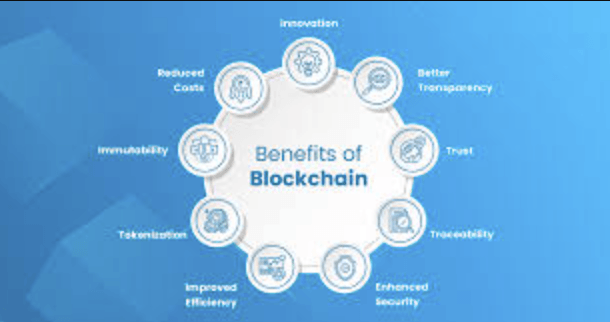
Effective blockchain governance aligns stakeholders with clear incentives and reduces ambiguity in decision-making. It builds transparency, strengthening trust across participants. Inclusive processes and timely choices support sustainable growth while deterring harmful behavior. Clear rules enable accountable resource allocation and measurable progress. By combining openness with ethics oversight, networks invite broad participation and collaboration. The result is a resilient system that sustains growth and freedom, yet it raises questions worth exploring as governance approaches evolve.
What Blockchain Governance Really Is and Why It Matters
Blockchain governance refers to the set of processes, rules, and institutions that guide decision-making, allocation of resources, and changes to a decentralized network.
It is a framework for collective action that fosters clear protocol, stakeholder alignment, and transparency mechanisms.
Inclusive decision making ensures accountability, while collaboration builds trust.
When designed well, governance enables freedom through predictable, verifiable, and broadly supported outcomes.
Align Stakeholders With Clear Incentives
Aligning stakeholders with clear incentives is essential for sustained network health and orderly evolution. Stakeholder alignment relies on transparent incentive structures that reward constructive participation, deter harmful shortcuts, and align long-term value with daily choices.
A balanced design promotes collaboration, accountability, and predictable outcomes, reducing conflicts. Clear incentives empower diverse actors while safeguarding system integrity and shared goals, fostering sustainable governance.
Build Transparency to Strengthen Trust
Transparency is the cornerstone of trust, enabling participants to verify operations, decisions, and outcomes without ambiguity.
Build transparency to strengthen trust relies on ethics oversight, open funding models, and clear governance metrics that quantify performance.
Stakeholder engagement guides reforms, while stated decision timelines preserve accountability.
Transparency benefits include reduced uncertainty, improved collaboration, and enhanced legitimacy for governance processes in decentralized systems.
See also: Benefits of Accepting Cryptocurrency Payments
Use Inclusive, Timely Decisions for Sustainable Growth
Inclusive and timely decision-making is essential for sustainable growth, ensuring that diverse stakeholder perspectives are considered and that decisions are enacted promptly to seize opportunities and mitigate risks.
The governance framework emphasizes inclusive decision making and timely stakeholder engagement, fostering accountability and collaboration.
Clear criteria, transparent processes, and shared objectives empower participants to act decisively while preserving freedom, accountability, and collective progress.
Conclusion
Effective blockchain governance, they say, thrives on clarity, accountability, and collaboration. Ironically, it often begins with chaos: a chorus of stakeholders promising inclusivity while guarding agendas. Yet through transparent rules, timely decisions, and measurable metrics, trust slowly outgrows doubt, alignment outpaces friction, and resilience outlasts volatility. The system learns, adapts, and grows—proof that open funding, ethical oversight, and shared incentives don’t just govern; they empower diverse actors to build a safer, more sustainable digital commons.